History Teacher Profile – Hans Hiemstra

Hans Hiemstra teaches 10th grade history at East Chapel Hill High School in North Carolina after a first career as a legislative assistant and lobbyist in Washington, D.C. He earned his master’s degree in education from George Mason University while working full time, then built his classroom approach around student-led discussion and debate rather than straight lecture.
Sponsored School(s)


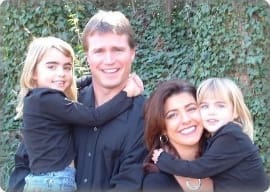
Hans Hiemstra has worked in many mediums. He began as a legislative assistant in D.C., became a lobbyist, and even coached soccer. At the end of the day, though, he has never felt quite as fulfilled and satisfied as he does now after arriving home from teaching a class.
Today, as a 10th-grade history teacher at East Chapel Hill High School in North Carolina, Hiemstra lives for the “ah ha” moments students experience in class.
This profile is based on an interview from earlier in Hiemstra’s teaching career. He continues to teach at East Chapel Hill High School today.
“To see kids think things through, and try and think about something in a way they haven’t before, or become a better writer – that to me is very fulfilling,” Hiemstra said. “From a fulfillment standpoint, a bad day of teaching is better than a good day of lobbying.”
From Capitol Hill to the Classroom
During Hiemstra’s time as a lobbyist, he coached soccer and realized how much he enjoyed working with kids and helping them tackle challenges. He enjoyed the sense of discovery and fun that came from working with kids, and soon enrolled in a teacher preparation program at George Mason University in Virginia.
Because he still had a job in D.C., Hiemstra attended school at night, eventually earning his master’s degree in education and transitioning to teaching full time.
The First Day in Front of a Classroom
On his first day of teaching, Hiemstra wasn’t sure how to feel about finally teaching his own classroom.
“I was unbelievably nervous and scared to walk in the room, [because] it’s actually my first class,” Hiemstra said. “And I just remember the first day being really, really nervous.”
Hiemstra didn’t let his nerves get to him, though, and approached his first day of school as a professional. He said he put on his “game face” and prepared to teach.
“Much like school in general and college in general, it’s one thing to learn the theories, but it’s a different story when you’re in front of a classroom, and know all book theories, but have to manage a classroom at the same time,” Hiemstra said.
How Student Teaching and a Mentor Shaped His First Year
Luckily, Hiemstra said his teacher preparation program focused heavily on providing students with classroom experience, observing actual teachers, and also centered on student teaching. Additionally, Hiemstra’s teacher mentor was extremely helpful while he was adjusting to his new life as a teacher.
“I was really lucky because my mentor teacher was and still is amazing,” Hiemstra said. “She really helped me by saying, ‘Here’s what the book says about classroom management and how to deal with kids, and here’s how it really works.'”
Hiemstra believed that his mentor truly gave him a firm grasp on how to teach with kids in the class, and helped shape his first experiences as a teacher in a positive way, guiding his future teaching principles.
Letting Students Do the Work
“As a new teacher, you want to try and do everything yourself, but I’ve found through the years that one of the ways that the kids learn more and make the job more manageable is to let the students do the work and you guide them,” Hiemstra said. “Have them work in groups together, then you kind of go around and help them, and bring it all back to the whole class, and discuss things they’re not sure of.”
Hiemstra believed that letting students get hands-on and interested in history was the best way to teach them to become better learners. While he said some days he needed to lecture, his favorite way to teach was through debate and discussion, letting students explore history through group projects and field trips to bring history to life.
“I really like talking about the people…your common people, the politicians, the generals,” Hiemstra said. “I love talking about the stories of the people. To me, history is about the stories of the different people, and how they interact – what they want, did they get it, or why didn’t they get it.”
Bringing Capitol Hill Experience Into History Class
With his former experience in Congress and around D.C., Hiemstra relished talking to his students about political events and presidential campaigns. During election years especially, he and his students explored theories about political advertisements, propaganda techniques, and how debates drove public opinion about politicians.
“It’s a lot of fun to talk about because it’s pretty relevant to kids, because they say, ‘Oh yeah, okay, I’m watching this political advertisement, and I understand why they’re using the propaganda techniques they’re using,'” Hiemstra said.
Hiemstra also used these moments to create engaging projects for his students, where they applied what they’d learned in class. In one example from the interview, his students were creating their own campaign commercials using the propaganda techniques they’d learned about in class.
Checking for Understanding at the End of Every Class
When designing his lectures and projects, Hiemstra thought of essential questions or outcomes he wanted his students to learn for that day. Mixing lecture and group discussion was key to successful learning, Hiemstra said.
“I like to do smaller formative assessments as often as I can, so at the end of the class, I’ll say ‘Alright, what are some of the main things you learned today, and what are some of the things you have questions about?'” Hiemstra said. “That way, I get feedback about what they know and what I need to hit on again.”
This way, Hiemstra stayed on top of where his students were on the subject material, instead of waiting to see which students failed a quiz or test at the end of the semester.
What It Takes to Be a Good Teacher
Taking into account all of the content knowledge, theory, and understanding potential teachers must learn before becoming educators themselves, Hiemstra believed one thing was most important to have.
“If you want to teach and if you really want to be a good teacher, you’ve really got to love kids and love working with young adults who are trying to figure out what they want to do with their lives,” Hiemstra said. “You have to have that focus; otherwise, I don’t think it’ll work out very well.”
Frequently Asked Questions
Who is Hans Hiemstra?
Hans Hiemstra is a 10th-grade history teacher at East Chapel Hill High School in Chapel Hill, North Carolina, a state where public school teachers are licensed through the North Carolina Department of Public Instruction. Before teaching, he worked as a legislative assistant and lobbyist in Washington, D.C.
What did Hans Hiemstra do before becoming a teacher?
Hiemstra worked as a legislative assistant on Capitol Hill and later as a lobbyist. He also coached soccer, which is where he first realized how much he enjoyed working with kids.
Where did Hans Hiemstra earn his teaching credential?
Hiemstra enrolled in a teacher preparation program at George Mason University in Virginia while still working his D.C. job, attending classes at night until he earned his master’s degree in education.
What teaching methods has Hans Hiemstra used in his history classes?
In an interview, Hiemstra said he favored debate and discussion over straight lecture, having students work through problems in small groups before bringing findings back to the full class. He also used his real-world political experience to teach students about propaganda techniques and political advertising.
How has Hans Hiemstra checked whether students are learning?
In the interview, he described using quick formative assessments at the end of class, asking students what they learned and what they were still unsure about, so he could revisit unclear material in the next lesson rather than waiting until a test.
- Career changers can become licensed teachers – Hiemstra moved from legislative aide and lobbyist to full-time teacher by completing a master’s in education at George Mason University while still working his D.C. job.
- Student teaching and mentorship bridge theory and practice – his teacher preparation program built in classroom observation and student teaching, and a strong mentor teacher helped him apply classroom management in real time.
- Discussion-based teaching built deeper learning – group work, debate, and projects, paired with quick end-of-class formative checks, let him catch confusion before it showed up on a test.
- Real-world experience became classroom content – his background in Congress and lobbying directly shaped how he taught propaganda techniques and political communication in his history classes.
Find accredited educator preparation programs that support career changers earning a teaching license in history and social studies.