
Biology Teacher Profile – Louise Maine
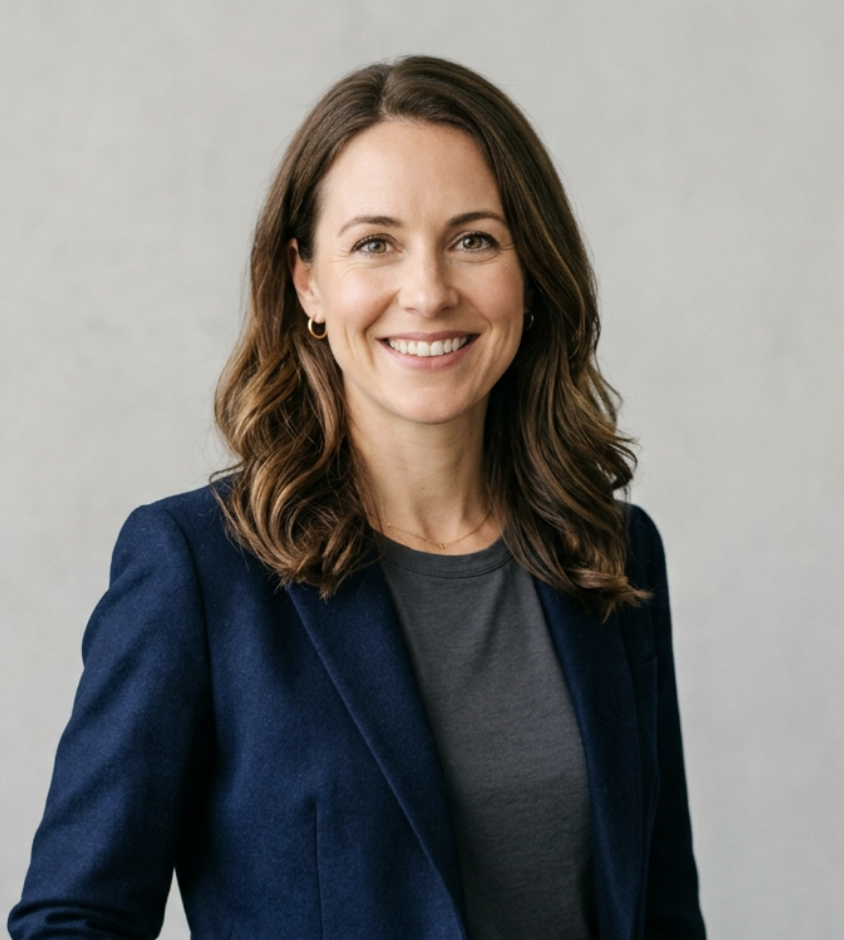
Louise Maine spent years teaching ninth-grade biology at Punxsutawney High School in Pennsylvania, where she had taught for 26 years as of 2017, before retiring. She started as a pre-medical student at Indiana University of Pennsylvania before switching to a teacher education program after finishing her biology degree. This profile, from an earlier interview, captures the hands-on labs and classroom philosophy that defined her teaching there.
Sponsored School(s)


 This profile is based on an interview conducted before 2017 and describes Louise Maine’s teaching career at Punxsutawney High School at that time. As of 2017, Maine had taught for 26 years. Maine has since retired.
Louise Maine considered herself a lifelong learner. She said she strived to learn something new every day, even after decades of teaching.
“I can’t imagine going one day without learning something new,” Maine said. “For some kids, that’s an odd thing to say. They’re not used to it – they’re done with school and kind of shut down, but really, I want them to be learners.”
From Pre-Med to the Classroom
A passion for learning led Maine to a passion for teaching. She taught ninth-grade biology at Punxsutawney High School in Pennsylvania, where she worked to instill that same passion for learning in her students. Her path is one example of how to become a certified biology teacher.
Before becoming a teacher, Maine was a pre-medical student at Indiana University of Pennsylvania. After earning her biology degree, Maine decided she didn’t want to become a doctor, and looked to becoming a teacher instead.
“I just like to tell people things,” she said with a laugh. “I decided that being a teacher would be a good thing, because you get to share what you know.”
Learning to Teach on the Job
Her college offered a teacher education program, so she went back for another year after finishing her degree. While Maine said her preparation program taught her a lot about theory and subject matter, she felt that she really didn’t have a grasp of what it was like in the classroom until she was there herself.
“You get all this theory, but when you’re thrown in front of a classroom, you go back to the way that you were taught,” Maine said. “Which may or may not be the best way to teach, because things change over the years.”
For Maine, life as a new teacher was a bit of an adjustment. At her new high school, the ninth-grade class had more students in it than were in Maine’s own graduating high school class, so the larger environment posed a bit of a challenge at first.
Maine said she learned the hard lessons of “find your style,” and looked at what other teachers in the school did, slowly finding out what classroom management and teaching techniques worked for her.
When Maine was first starting out as a teacher, no teacher mentor programs existed at her school. Maine said she believed the programs are great assets for new teachers, but she managed to form strong relationships with the other teachers in her department who helped her through the transition period.
Maine said she developed her teaching style through the years, and believed that teachers must constantly evolve and change to meet their students’ needs. While Maine said she, herself, never had trouble sitting through lectures and learning, she acknowledged that for some students, listening to lectures is simply not stimulating enough.
To stay dynamic, Maine described herself as a risk-taker, thinking up new ways to approach education. By asking her students to get excited and stay motivated about the subject matter, she pushed her students to embrace biology.
Hands-On Biology in the Classroom
As a biology teacher, one of Maine’s favorite classroom activities was getting students to learn through hands-on experience in the lab.
“I want them to be able to understand more about the world around them and their own bodies and their own lives,” Maine said.
Maine said that with consumer culture at the time, one of the favorite topics of conversation in class revolved around what kinds of foods to eat, and what nutrients the body really needs versus the nutrients it doesn’t.
To help her students explore what exactly goes into their favorite foods, Maine asked them to grind up different foods. Then, Maine’s students analyzed the different nutrients or ingredients in the foods, and which of these nutrients are essential.
In another popular lab experiment, Maine guided her students in exploring genetics, development, and embryology. Over the course of a few weeks, Maine’s class observed fish eggs as they grew and eventually hatched. The fish’s transparent eggs provided great insight into the developmental process, putting information students learned in lecture and reading into context.
Connecting With Students
When students approached these tasks and learning experiences with open minds, Maine said the rewards were apparent.
“When a kid just finally gets it – they struggle and struggle and then that light bulb goes on, it feels very good,” Maine said. “Or when they find something they’re interested in that they never thought they would be interested in before.”
As a teacher, Maine knew her job focused on educating students about science, but it also entailed developing relationships with her students and helping them in their lives.
“Some kids really just challenge you with the way they are and they’re the toughest kids to deal with,” Maine said. “Every once in a while, you get that glimpse into their life and start to realize that you might be the best thing going for them right now.”
Maine said when she was able to give these students something positive to think about and have them know that someone was proud of them, it made all the challenges worth it.
Maine’s goal in the classroom was to meet these challenges and create lifelong learners out of her students. She wanted her students to relish the thrill of learning a new subject, to discover their passions, and find ways to become better learners.
“The one thing is to never stop learning,” Maine said. “The best thing we can teach kids to do is learn how to be learners, and how to get excited about something new, or learn to ask a question and then search for answers or more information.”
Frequently Asked Questions
Where did Louise Maine teach biology?
Louise Maine taught ninth-grade biology at Punxsutawney High School in Pennsylvania. As of 2017, she had taught there for 26 years. She has since retired.
What did Louise Maine study before becoming a teacher?
Maine started college as a pre-medical student at Indiana University of Pennsylvania. After finishing her biology degree, she decided not to pursue medicine and returned for an additional year to complete a teacher education program instead.
What teaching methods did Louise Maine use in her classroom?
Maine built her biology lessons around hands-on lab work. Two examples she described are having students analyze the nutrient content of ground-up foods and observing fish eggs over several weeks to study genetics, development, and embryology.
- Career path — Maine switched from pre-med to teaching after finishing her biology degree, completing a teacher education program before entering the classroom.
- Hands-on labs — Her biology curriculum leaned on lab experiments, like food-nutrient testing and fish embryo development, to connect lecture material to real observation.
- Mentorship gap — Maine started teaching without a formal mentor program at her school and instead built her teaching style through relationships with fellow teachers.
- Long tenure — Maine had taught for 26 years as of 2017, with this profile describing her time at Punxsutawney High School specifically. She has since retired.
Find accredited teacher certification programs that can help you build a classroom-ready teaching career like Louise Maine’s, including coursework aligned to your subject area and state’s requirements.